
Musculoskeletal Osteopathic Care • North London
Structural Osteopathy in North London
Individual osteopathic assessment and treatment for adults, children and babies
Structural osteopathy is an approach to osteopathic practice with a particular emphasis on the musculoskeletal system – including the joints, muscles and associated soft tissues.
At Sutherland House in North London, our registered osteopaths assess how different areas of the body are moving and functioning before developing an individual treatment and management plan.
Depending on your needs, treatment may involve techniques such as soft-tissue work, stretching, joint mobilisation and articulation and, where clinically appropriate, manipulation.
Our osteopaths provide structural osteopathic care for adults, children and babies, adapting both examination and treatment techniques according to the age and individual circumstances of each patient.
Muscles • Joints • Movement
Treatment may include soft-tissue techniques, mobilisation, stretching, articulation and, where clinically appropriate, manipulation.
Understanding the Approach
What is Structural Osteopathy?
The term structural osteopathy is commonly used to describe an approach which places particular emphasis on the body’s musculoskeletal structure and movement.
An osteopath may assess:
- joint mobility
- muscle tension and function
- posture
- patterns of movement
- areas of stiffness or restriction
- the relationship between different parts of the musculoskeletal system.
The aim of the assessment is to understand the patient’s presentation and identify an appropriate management approach.
Structural osteopathy does not mean that every patient receives forceful manipulation.
Osteopaths have a broad range of techniques available to them, and treatment should always be adapted to the person being treated.
Structural vs Cranial
How Does Structural Osteopathy Differ From Cranial Osteopathy?
Both are approaches used within the same regulated healthcare profession.
Structural osteopathy commonly involves more direct assessment and treatment of muscles, joints and movement.
Techniques can include:
- joint articulation
- mobilisation
- soft-tissue techniques
- stretching
- muscle-energy techniques
- exercise and movement advice
- manipulation where appropriate.
Cranial osteopathy generally uses lighter and more subtle manual techniques.
An osteopath may use predominantly one approach or combine techniques from both, depending upon their assessment.
Recognised Musculoskeletal Presentations
What Can Osteopathy Help With?
ASA/CAP guidance currently accepts that registered osteopaths may make treatment claims for a defined range of conditions and symptoms.
These include:
Back and neck
- general, acute and chronic backache
- back pain not arising from injury or accident
- lumbago
- uncomplicated mechanical neck pain
- headache arising from the neck
Joints and muscles
- joint pains
- generalised aches and pains
- muscle spasms
- cramp
- arthritic pain
- rheumatic pain
- hip and knee pain arising from osteoarthritis, as an adjunct to core osteoarthritis treatment and exercise
Other musculoskeletal presentations
- minor sports injuries
- sciatica
- neuralgia
- frozen shoulder
- certain shoulder and elbow pain
- migraine prevention
- tension and inability to relax.
Your Appointment
What Happens During a Structural Osteopathy Appointment?
Consultation
Your osteopath will first discuss the reason for your appointment and take an appropriate medical history.
This can include questions about:
- your symptoms
- when they started
- previous injuries
- surgery
- medication
- medical investigations
- work and daily activities
- exercise and sport
- relevant general health information.
Examination
Your osteopath may then assess your posture and movement and examine relevant joints, muscles and tissues.
Clinical tests may be performed where appropriate.
If your osteopath believes further medical investigation is required before treatment, this will be discussed with you.
Treatment
If osteopathic treatment is suitable, techniques may include:
- soft-tissue massage and mobilisation
- joint articulation
- stretching
- mobilisation
- muscle-energy techniques
- appropriate manipulation
- movement and exercise advice.
Treatment is individual rather than based solely on the name of a condition.
Your osteopath will explain the proposed approach and obtain your consent.
Adult Care
Structural Osteopathy for Adults
Adults commonly consult osteopaths because of musculoskeletal pain, stiffness or problems with movement.
Rather than simply examining the area where symptoms are being experienced, your osteopath will take a broader clinical history and assess the relevant musculoskeletal structures.
Treatment and management advice are then selected according to the assessment findings, your health and your individual goals.
Where appropriate, this may be combined with advice concerning movement, exercise, posture or activity.
A growing body
Structural Osteopathy for Children
Osteopathic care adapted for a growing body
Sutherland House also provides osteopathic assessment and care for children and young people.
Children are not simply treated as smaller adults.
Their stage of physical development, medical history, activities and individual presentation are considered during assessment, and treatment techniques are modified accordingly.
For older children and teenagers, an osteopathic assessment may include examination of posture, movement, muscles and joints as appropriate to their reason for attending.
Children involved in sport or other physical activities may also have different musculoskeletal demands to adults, which can be considered during assessment.
A parent or guardian will be involved in the consultation and consent process as appropriate.
Infant Care
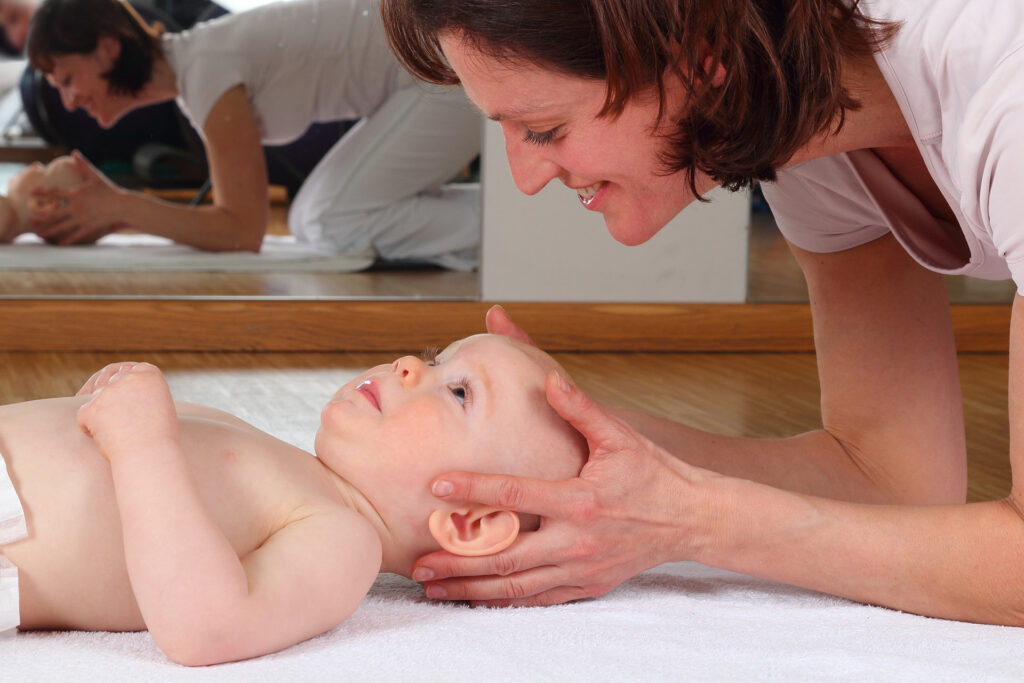
Structural Osteopathy for Babies
Registered osteopaths may also provide osteopathic assessment and care for babies.
The approach used for an infant is very different from that used for most adults.
The osteopath will take a detailed history from the parent or guardian and carry out an examination appropriate for the baby’s age and presentation.
Any hands-on techniques are adapted accordingly and may be extremely gentle.
What we do not claim
It is important to distinguish providing osteopathic care to babies from claiming that osteopathy has been clinically established as a treatment for baby-specific conditions.
Current ASA/CAP guidance does not support advertising osteopathy as a treatment for conditions such as:
- colic
- reflux
- feeding or latching difficulties
- sleep problems
- excessive crying or irritability
- plagiocephaly or head moulding
- recurrent infections
unless a practitioner holds appropriate robust clinical evidence supporting the specific claim.
For that reason, Sutherland House does not advertise osteopathy as a treatment for these conditions.
If there is a concern about a baby’s health or development that requires medical assessment, our osteopaths will advise parents to seek appropriate care from their GP, health visitor, paediatrician or another relevant healthcare professional.
Individual Management
A Treatment Approach Tailored to You
Structural osteopathy does not follow one predetermined treatment formula.
Two people with apparently similar symptoms may require very different approaches because their medical history, physical examination, lifestyle and individual circumstances differ.
Treatment may therefore involve a combination of hands-on techniques, exercise or movement advice and self-management guidance.
Your progress is reviewed during care and treatment should only continue where there is an appropriate clinical reason to do so.
Professional Regulation
Registered Osteopaths at Sutherland House
Osteopathy is a statutorily regulated healthcare profession in the UK.
To practise as an osteopath in the UK, a practitioner must be registered with the General Osteopathic Council and meet its professional standards.
Those standards cover areas including patient communication, consent, clinical competence, safety, professionalism and advertising.
Sutherland House’s osteopathic care is provided by registered osteopaths working within these professional standards.
Appropriate Referral
When Should I Seek Medical Advice Instead?
Osteopaths are trained to assess patients and to recognise when symptoms may require investigation or treatment outside osteopathic practice.
If your history or examination indicates that osteopathic treatment is inappropriate, your osteopath may recommend that you speak to your GP or another healthcare professional.
Osteopathy should not be used as a substitute for necessary medical investigation or treatment.
Sutherland House
Structural Osteopathy at Sutherland House
Our North London clinic provides structural osteopathy for:
Adults · Children · Babies
If you are uncertain whether to book structural or cranial osteopathy, you do not necessarily need to make that clinical decision yourself.
Contact the clinic and we can help direct you towards the appropriate practitioner.
Meet the Team
Your Osteopaths at Sutherland House
Our osteopathic team provides assessment and treatment from Sutherland House in NW11, North London.
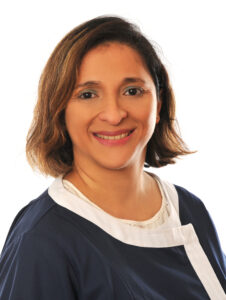
Registered Osteopath
Bsc (Hons) Osteopathy Med ND DPO
Cranial Osteopathy
FSM Practitioner
View Sarojni’s Profile
To book an appointment, or get in touch with a practitioner, call
You can also check practitioner availability and book an appointment online.